The Journal
Every plate in the volume is a drawing of something built to measure what will not hold still. These are the notes behind the drawings: what each instrument does, how it does it, and where the numbers come from.
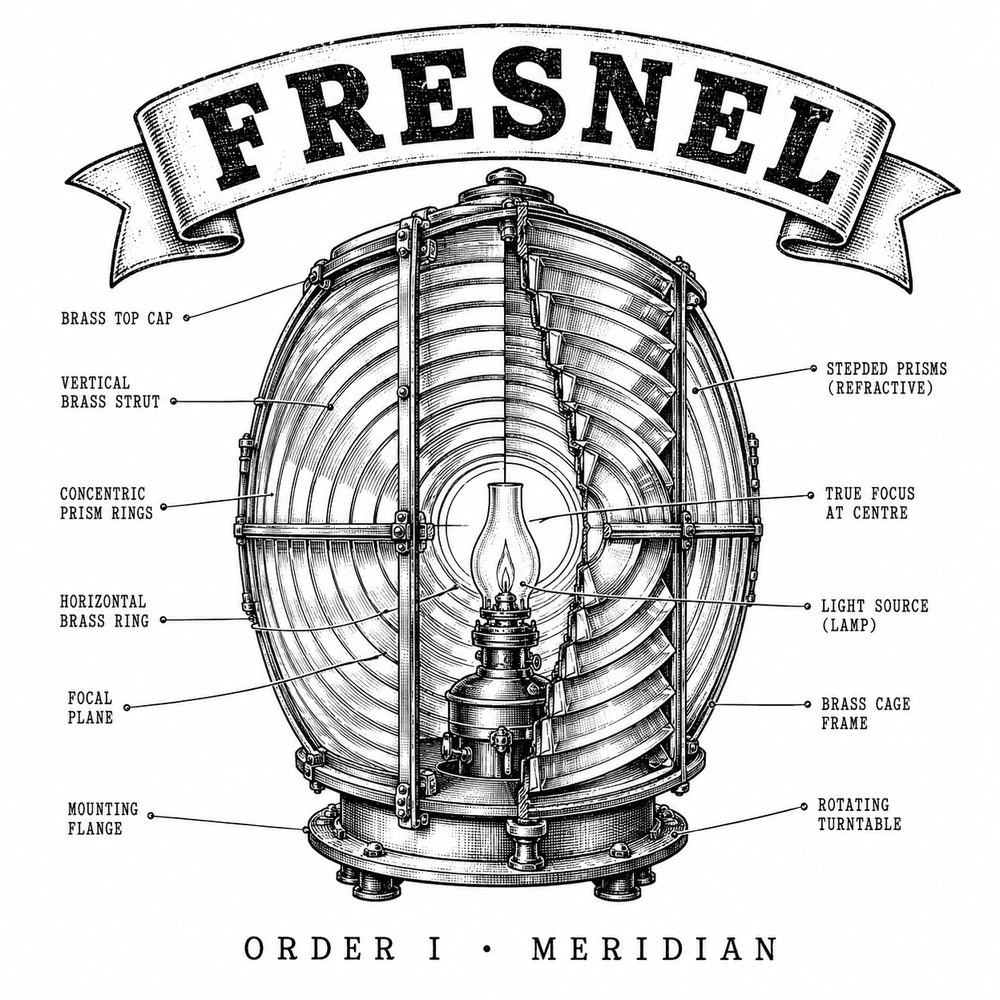
Plate II · 8 September 2026 · 5 min read
The lens that throws a small flame twenty miles
A first-order lens stands eight feet tall and bends one lamp into a flat beam. How the steps work, what the orders mean, and what really caps the range.

Plate I · 8 September 2026 · 8 min read
The tower that lets go
A service tower holds a fuelled rocket upright, feeds it, chills it, then lets go of every connection in under a second. The last thing to touch it.
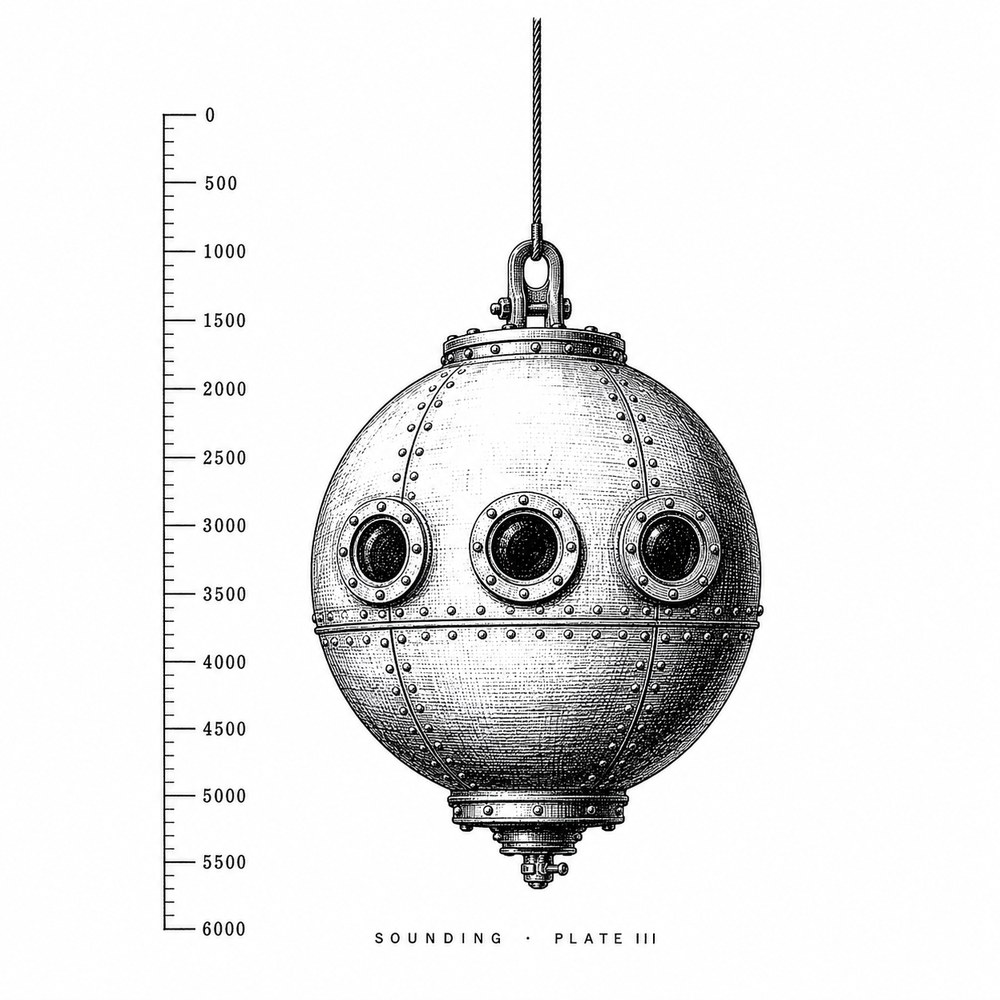
Plate III · 8 September 2026 · 6 min read
One cable, no engine, 923 metres
The Bathysphere had no propulsion and no way home except the winch above it. What Beebe and Barton actually built, and why a sounding lead came first.
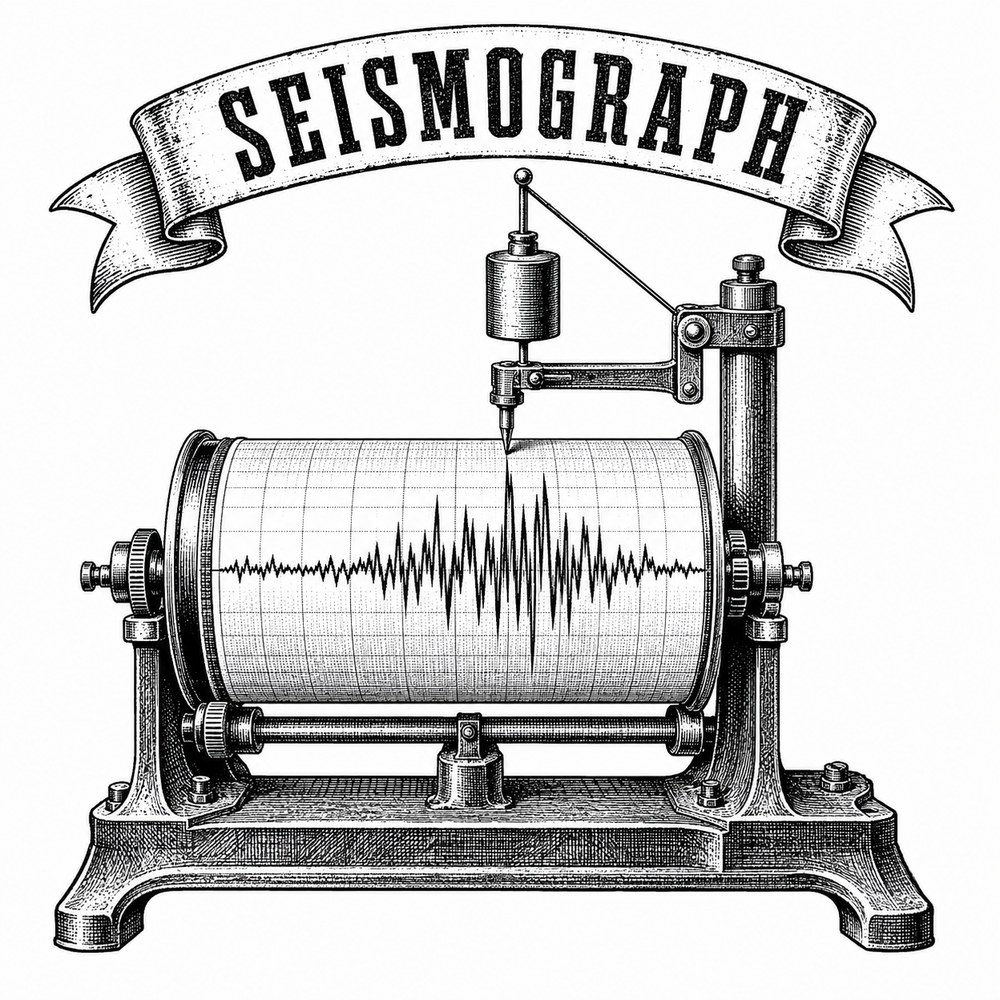
Plate IV · 8 September 2026 · 7 min read
The pen that does not move
A seismograph does not record the earthquake. It records the difference between a mass that stays still and a planet that does not.
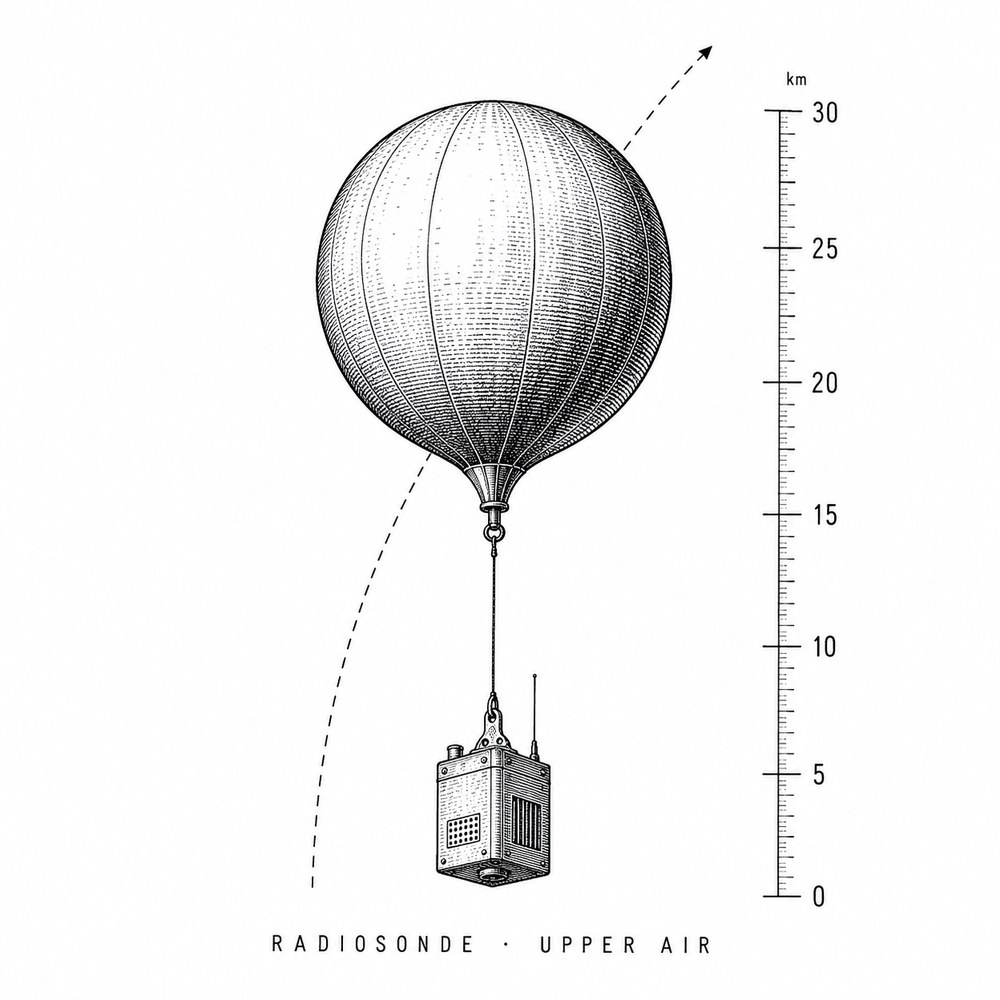
Plate V · 8 September 2026 · 6 min read
The instrument the forecast is built on
Twice a day, on the same two hours worldwide, hundreds of balloons carry a small box to the edge of the stratosphere. Almost none of them come back.
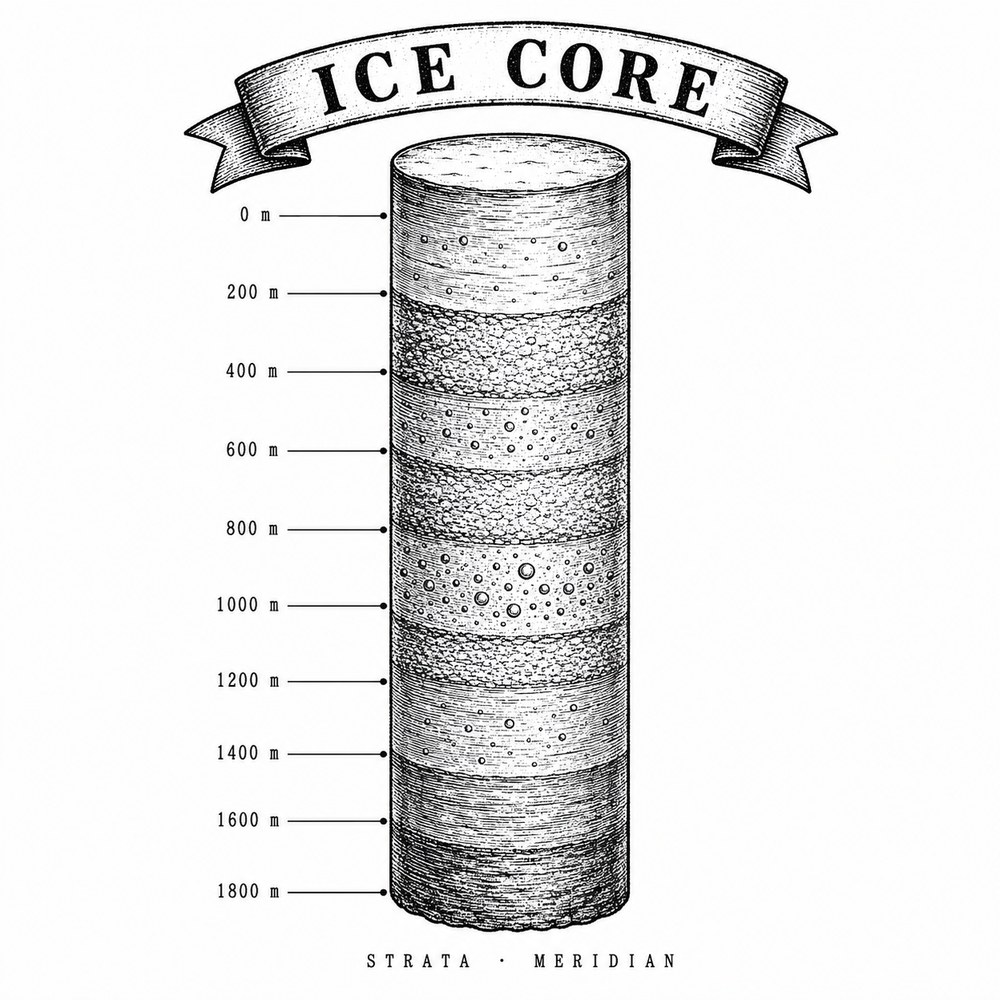
Plate VI · 8 September 2026 · 7 min read
Air that nobody has breathed
An ice core is a column of old atmosphere held in bubbles. Why the gas in the bubble is younger than the ice around it, and what that costs to measure.
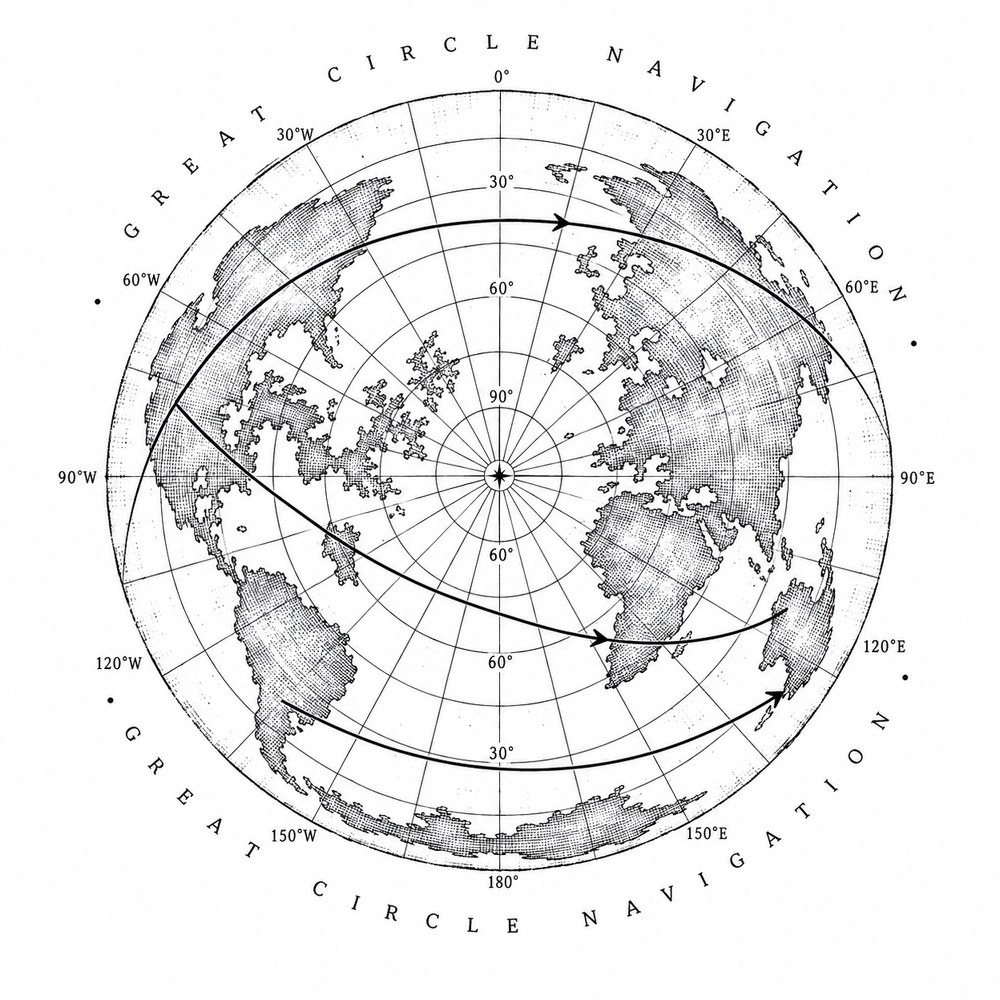
Plate VII · 8 September 2026 · 5 min read
The shortest way looks wrong
On a Mercator chart the shortest route is a curve and the wrong one is a straight line. Why navigators used both, and how they combined them.
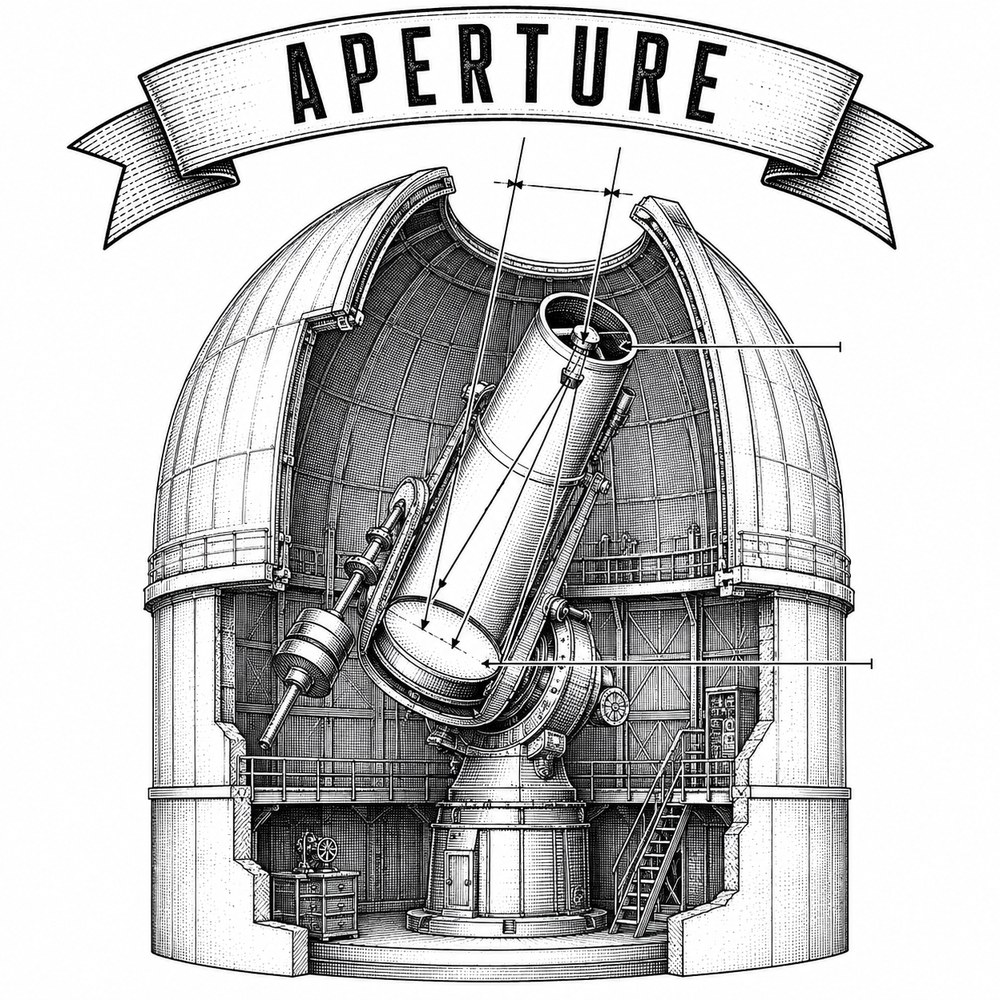
Plate VIII · 8 September 2026 · 8 min read
Why a radio dish has to be enormous
Resolution scales with wavelength over diameter, and radio waves are vastly longer than light. The arithmetic that forces a hundred-metre mirror.